Manufacturing has always been about building—products, systems, and increasingly, the future of entire industries. In the Inland Empire, women are playing a central role in that effort, leading companies, solving complex challenges, and shaping the next generation of the workforce.
Two such leaders—Kusum Kavia of CAI and Kimberly Clarke of Walker Manufacturing Group—offer a window into how modern manufacturing is evolving, and why leadership in this space increasingly demands both technical fluency and long-term strategic thinking.
Building Critical Infrastructure and Global Solutions
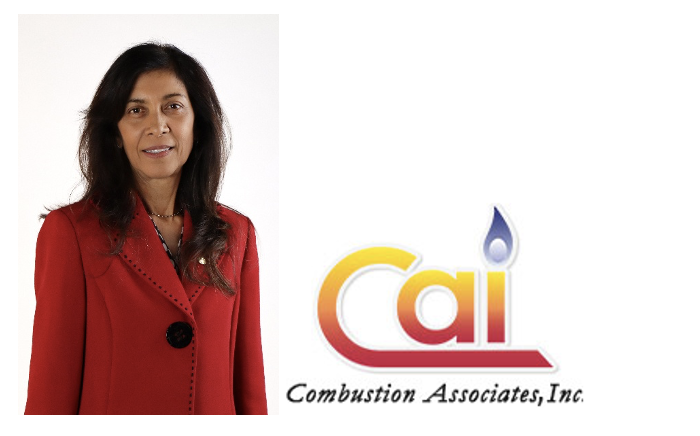
For more than three decades, Kusum Kavia has helped define what advanced manufacturing looks like in the Inland Empire. As CEO of CAI, she leads the development of modular, on-site power systems designed for mission-critical applications, including data centers facing unprecedented demand from artificial intelligence.
Her work sits at the intersection of manufacturing and infrastructure—where reliability is non-negotiable and innovation must perform at scale.
“The demand for electricity is exploding,” Kavia notes. “Facilities can’t afford downtime.”
CAI’s systems, designed and built locally, are deployed globally, demonstrating how Inland Empire manufacturing continues to compete—and lead—on the world stage.
An Unconventional & Impactful Manufacturing Career Path

Kimberly Clarke’s journey into manufacturing is proof that the manufacturing industry’s vibrant innovation is shaped by leaders from all kinds of educational backgrounds. Kimberly’s training in Psychology and later MBA at Stanford’s Graduate School of Business have greatly influenced every role she has played in her career in manufacturing, spanning customer service, purchasing, production control, progressing up to executive leadership.
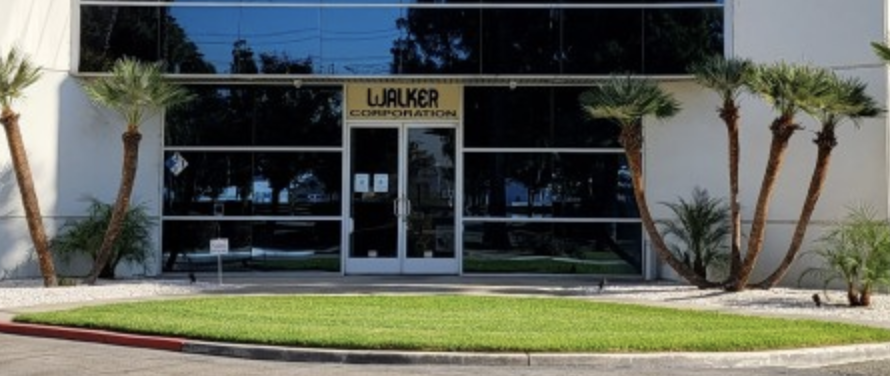
Today, she is a co-owner of Walker Manufacturing Group, a legacied manufacturer that was in metal forming for electronics for companies like Sony when she started, transitioning to becoming critical supplier in the automotive sector, supporting major OEM supply chains including Toyota.
Her experience reflects one of manufacturing’s defining characteristics: opportunity for upward mobility through hands-on learning and cross-functional experience.
That path also required navigating significant challenges, including the restructuring of the company and the realities of operating in a highly competitive, highly regulated environment.
The Workforce Challenge—and Opportunity
Both leaders point to workforce development as one of the most pressing issues facing manufacturers today.
For Clarke, the challenge is immediate and practical: finding skilled workers in areas like welding, robotics programming, and tool and die making—skills that are increasingly scarce as older generations retire.
At the same time, outdated perceptions of manufacturing continue to limit the pipeline of younger talent.
“There’s a misconception about what manufacturing looks like,” Clarke emphasizes. “The reality is highly technical, highly skilled, and full of opportunity.”
Companies like Walker are responding by investing in internal training programs and focusing on automation not as a replacement for workers, but as a tool to enhance safety, efficiency, and job quality.
Why the Inland Empire Still Wins
Despite regulatory pressures and cost challenges, both Kavia and Clarke remain committed to the Inland Empire—and for good reason.
The region offers a unique combination of logistical advantage and industrial depth: proximity to ports, rail, and Ontario International Airport, combined with a diverse and experienced manufacturing workforce.
Clarke notes that while some companies relocate to lower-cost states, they often encounter new challenges—particularly around workforce availability and operational continuity.
In contrast, the Inland Empire continues to provide a critical mass of talent and infrastructure that supports long-term success.
Manufacturing as a Strategic Imperative
At its core, manufacturing is about more than production—it is about national capability, economic resilience, and long-term planning.
From energy systems powering global data infrastructure to precision components supporting automotive supply chains, the work being done in Inland Empire facilities has far-reaching impact.
Both leaders stress the importance of thinking beyond the immediate horizon—planning not just for the next quarter, but for the next decade.
That includes investing in people, embracing new technologies, and ensuring that the next generation is prepared to carry the industry forward.
A Message to the Next Generation
For young women considering careers in manufacturing, Clarke offers a simple message: there is a place for you.
Manufacturing rewards problem-solving, adaptability, and work ethic—traits that are not defined by gender, but by mindset.
From engineering and operations to leadership and ownership, the opportunities are broader than ever.
Looking Ahead
As the manufacturing sector continues to evolve, leaders like Kusum Kavia and Kimberly Clarke are helping define what comes next—combining innovation, resilience, and a deep commitment to their region.
Their stories are not just examples of success—they are a blueprint for the future of manufacturing in the Inland Empire.