Manufacturing Modernization Insights from the Manufacturers’ Council of the Inland Empire
Finding skilled manufacturing employees has become easier than it was during the peak labor shortages of 2021 and 2022—but few manufacturers would say the challenge has disappeared.
In fact, a 2024 study by Deloitte and The Manufacturing Institute projects that 3.8 million manufacturing jobs could need to be filled by 2033, with 1.9 million of those positions potentially going unfilled if today’s workforce challenges continue. Attracting and retaining talent remains the number one business challenge identified by manufacturers in the National Association of Manufacturers’ outlook survey.
For many manufacturers, that means one thing:
The workforce you have today may be the workforce you’ll have tomorrow.
Fortunately, modernization isn’t about replacing people. It’s about helping the people you already have become more productive.
That’s an important distinction.
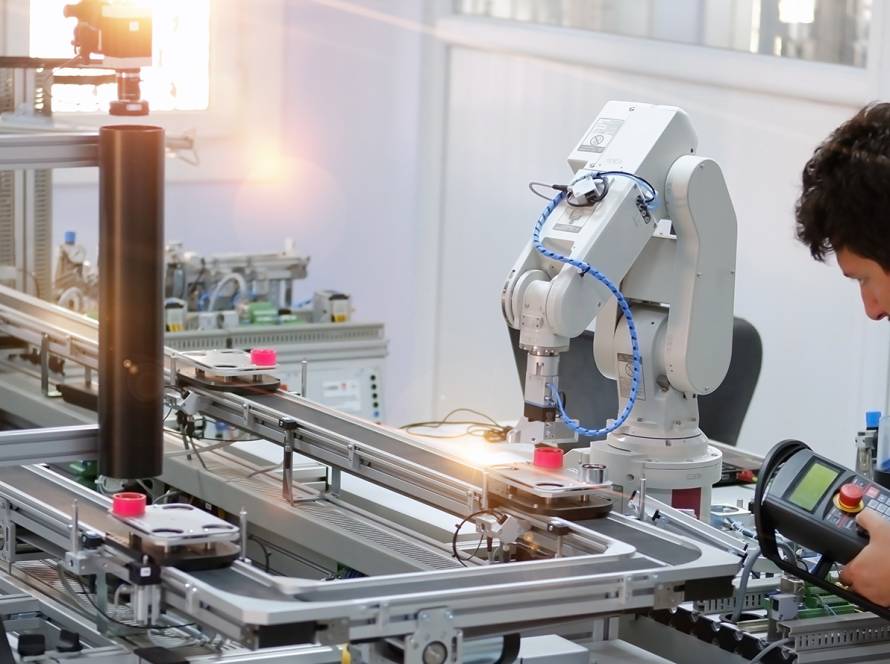
When many people hear the word “automation,” they picture robots replacing workers on an assembly line. In reality, today’s most successful manufacturers are often using automation to eliminate repetitive, physically demanding, or low-value tasks so employees can focus on work that requires judgment, skill, and problem-solving.
Think about the jobs that consume time without adding much value:
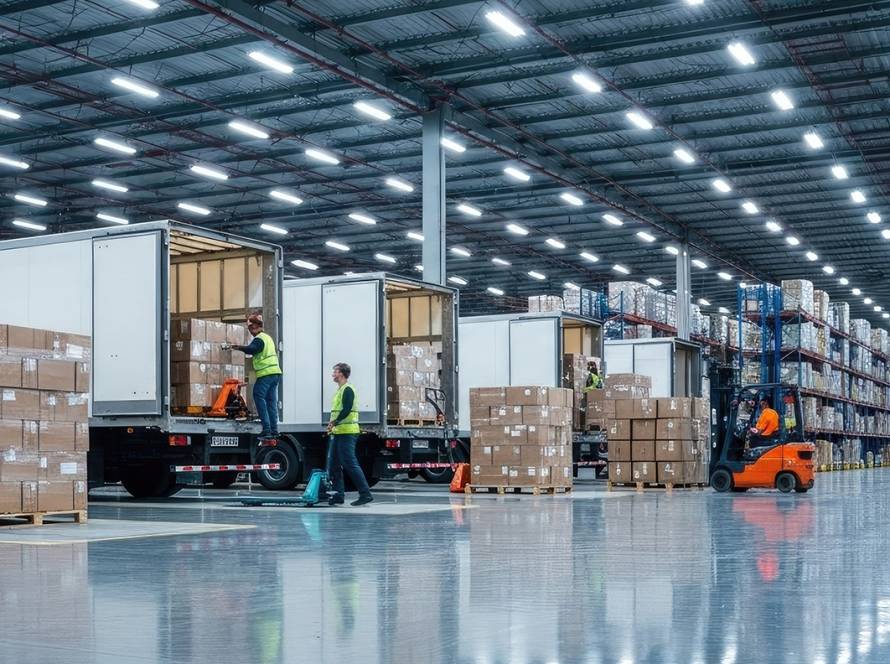
- Moving materials between workstations
- Recording production data by hand
- Performing repetitive inspections
- Searching for tools or inventory
- Waiting for equipment to become available
- Walking long distances across the plant
None of these activities create revenue.
Modern manufacturers increasingly rely on technologies such as collaborative robots, automated material handling, machine monitoring, digital production dashboards, barcode systems, and predictive maintenance—not because they’re replacing skilled employees, but because they’re allowing those employees to accomplish more during every shift.
The challenge, of course, is knowing where automation will produce the greatest return.
Automating the wrong process can be an expensive mistake. If the true constraint in your operation is scheduling, quality inspection, or material flow, purchasing another machine may do little to increase throughput.
That’s why successful manufacturers rarely begin with equipment.
They begin with questions.
Where are employees spending time that could be automated?
Which tasks are repetitive, physically demanding, or prone to error?
Where are skilled employees performing work that technology could support instead?
Answering those questions creates a roadmap—not just for automation, but for smarter investment.
Through the Manufacturers’ Council of the Inland Empire’s Manufacturing Modernization Assessment (MMA) program, Inland Empire manufacturers can work with veteran manufacturing professionals to identify opportunities across automation, advanced manufacturing systems, workforce development, energy efficiency, process improvement, and operational performance. Rather than recommending technology for technology’s sake, the assessment helps prioritize investments based on your facility’s unique operations and business goals.
The future of manufacturing won’t belong to companies with the most employees.
It will belong to companies that give their employees the best tools to succeed.
To learn more or schedule a confidential introductory consultation, contact Sandra Sisco at ssisco@mfgcouncilie.com or visit mfgcouncilie.com.